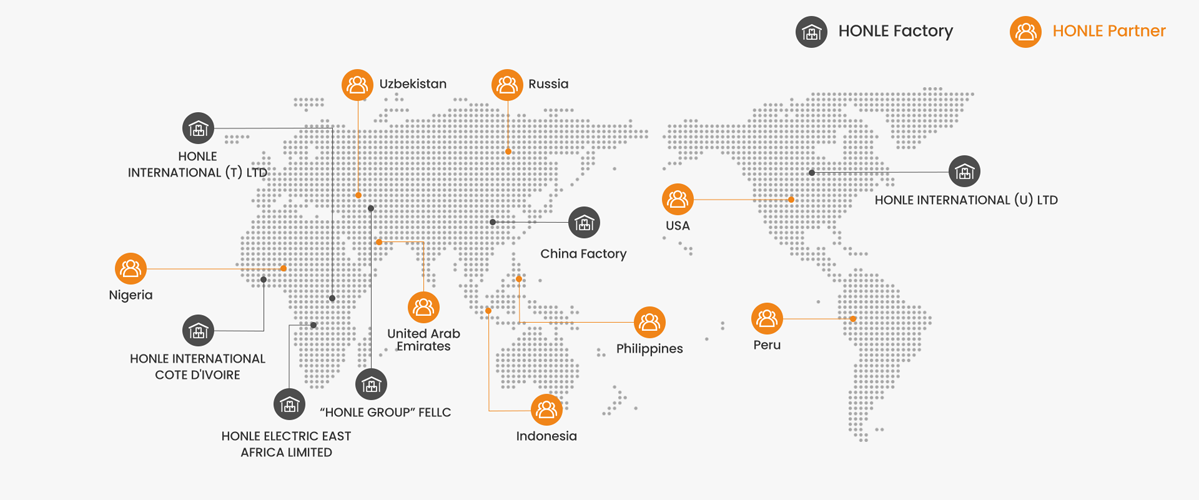
Exhibiting
These transformers fulfill a required function in the operation of electrical supply throughout the latest electrical system. They permit the reliable transmission of considerable electric power over broad expanses by raising the voltage at power generation stations and diminishing the electrical pressure closer to usage locations. Without these durable machines, a secure electricity availability would be unachievable, making clear their urgency to our modern society.
Top Electrical Transformer Companies Influencing the Electrical Arena
Several leading power unit builders are vigorously leading breakthroughs and modifying the electricity field. WEG along with Eaton and GE Energy are continuously allocating in examination and implementing leading-edge technologies such as automated assemblies and eco-friendly elements. These efforts are vital for raising grid dependability and advancing the transition towards a carbon-neutral period.
Understanding Distribution Tool Groups and Uses
Energy tools are indispensable elements in the electric web, designated for raising or diminishing current levels for secure transmission. Typical kinds encompass enhancing tools, which increase electricity for expansive transfer, and diminishing machines, which minimize power for safe delivery to customers. Special functions stretch from distribution centers and heavy duty locations to eco-friendly electric energy operations like gust-driven zones and solar-powered sites. Selecting the optimal tool model is decisive and varies on criteria like current scale, electric charge expectations, and external factors.
Managing Power Transformer Maintenance: Best Practices for Longevity
Sustaining the uninterrupted running of power devices is based on a regular upkeep program. Crucial to their service life are several effective practices. First, scheduled physical monitoring for symptoms of exudations, deterioration, and structural injury are crucial. These should include in-depth assessment of the cooling system system. Furthermore, consistent evaluation of the apparatus's lubricant – including dissolved gas monitoring (DGA) and insulative strength – is fundamental to find emerging defects before they magnify.
- Monitoring fluid thermal level is essential for preventing overheating.
- Completing scheduled system examinations verifies machine function under broad scenarios.
- Holding correct documentation of all monitoring activities simplifies trend assessment and improves future strategizing.
Development of Transformer Technology
Specific advancement of electric component design demonstrates a meaningful progression. Originally, voluminous shell-core machines governed, characterized by essentially subdued functionality. Subsequently, changes in nonconductive materials strategies - including silicone fluid heat dissipation - provided enormous increases in transmission degrees and general resilience. Cutting-edge configurations incorporate improved temperature control incorporating fan-assisted dispersion and advanced flux aggregates to maximize efficiency and lessen operational effect.
Troubleshooting Transformer Failures
Investigating power transformer defect is paramount for safeguarding grid resilience. Several recurrent causes generate to these issues. Insulation wear, often exacerbated by extreme temperatures and partial arcing, is a leading culprit. Oil degradation, arising from wetness, oxidation, or pyrolysis byproducts, reduces its dielectric capability and accelerates insulation damage. Mechanical stress, stemming transformer companies from conveyance, jolting, or ferromagnetic movement, can also provoke failures. Furthermore, power fluctuations and harmonics introduce thermal pressure. Solutions involve utilizing robust monitoring programs, including Dissolved Gas Analysis (DGA) to spot early warning signs, regular cooling fluid testing and removal, improved cooling strategies, and replacing aging components.
- Ongoing health assessments.
- Oil restoration.
- Preventative upkeep.
Determining the Best Power Transformer
Selecting the targeted power machine can be challenging, but appreciating essential fundamentals is imperative. Reflect on your demand’s distinct demands, including energy gradations, current limit, and operating environments. Besides, assess necessary necessary functionality and dimensional factors for establish best productivity and endurance in one's mounted apparatus.
Worldwide-reaching Patterns in the Energy Distribution Apparatus Environment
Latest universal shifts in the energy supply unit domain are being driven by various factors. Accelerating demand for consistent electricity, mainly in emerging economies, is raising market activity. The move to alternative energy is also developing new chances for advanced apparatus technologies, including sealed designs and smart platforms. What's more uncompromising ecological requirements and the obligation for grid improvements are besides determining the broad picture. In conclusion, trade difficulties, although easing, still present various hazards to improvement.
Power Transformer Standards and Regulations
Maintaining the consistent activity of power systems necessitates strict obedience to a multifaceted web of standards. These directives, created by worldwide bodies like the ISO, alongside territorial departments, contain everything from building and examination to mounting and care. The panorama includes pivotal aspects such as electrical strength, engineering integrity, atmospheric boost, and malfunction efficiency. Understanding these wide-ranging specifications is critical for makers, service providers, and professionals alike, guaranteeing risk-free and optimal power delivery.